Handbags / The Desk
Independent Luxury Brands Preserve Equity by Rejecting Early Licensing Deals
By prioritizing self-funding and founder-led product development, independent brands maintain long-term pricing power and creative control.
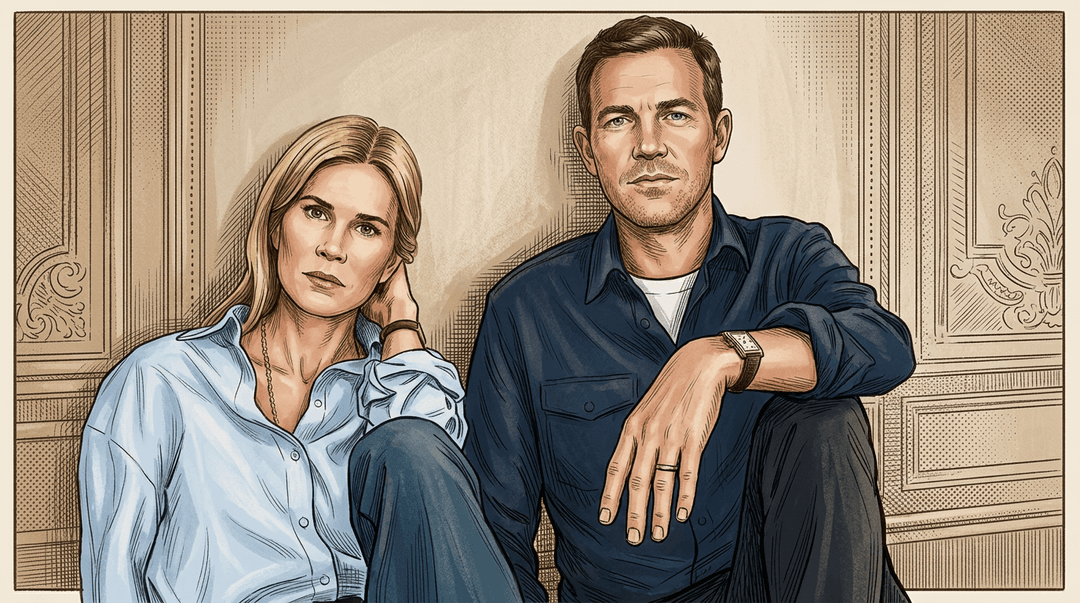
Independent luxury brands preserve their pricing power and long-term equity by rejecting early licensing deals in favor of self-funded product development.
According to Glossy, co-founder David Neville explained that the team funded the brand themselves until a couple of years after launch, intentionally turning down early offers to license founder Gucci Westman's name[2] to ensure the business focused on product integrity rather than rapid commercialization.
In the highly competitive luxury beauty sector, the temptation to scale quickly through third-party licensing agreements often leads to a loss of creative control and subsequent brand dilution. Neville, who previously co-founded the fashion label Rag & Bone, noted that rejecting these commercial shortcuts allowed Westman Atelier to invest heavily in product development and attention to detail, establishing a distinct market presence. This strategy positions the brand's offerings, from its signature foundation sticks to newer lipsticks, as items that consumers display on their vanities or carry in their handbags, reinforcing their status as luxury lifestyle accessories. By prioritizing product integrity over immediate volume, the brand established a foundation of trust with a highly discerning consumer base that values craftsmanship.
Women's Wear Daily highlighted the brand's ongoing development, noting that the founders are focused on building a luxury beauty brand designed to endure[1] through changing market cycles. This long-term outlook is particularly relevant in 2026[1] as luxury consumers increasingly scrutinize the authenticity and formulation of high-end products. By maintaining control over their supply chain and creative decisions, the founders avoid the pressure of meeting short-term corporate targets that often compromise brand prestige. This independent stance allows the brand to maintain its premium positioning and avoid the discounting practices that frequently plague licensed beauty lines, ensuring that the brand's equity remains intact over the long term.
The transition from cosmetic products to advanced skincare represents a significant operational step that requires substantial consumer trust. As reported by Glossy, the brand's expansion into skincare, including the launch of its second skincare product, relies heavily on the trust established by founder Gucci Westman's professional background[2] as an international artistic director for major beauty houses like Lancôme and Revlon. This transition demonstrates how founder-led authenticity serves as a bridge to new product categories, allowing the brand to expand its market share without relying on external licensing agreements. The celebrity makeup artist's direct involvement in formulation development provides a level of credibility that corporate-backed brands often struggle to replicate, particularly when targeting consumers who demand clean, high-performance ingredients.
For observers of luxury brand strategy, the trajectory of Westman Atelier illustrates the tangible value of patience in brand building. While licensed brands often achieve rapid initial distribution, they frequently struggle to maintain premium pricing over time due to a lack of direct control over product quality and marketing. The self-funded model, though capital-intensive in its early stages, establishes a foundation of consumer trust and product quality that supports sustained pricing power. The ability to control distribution and maintain high standards of craftsmanship remains the primary differentiator for independent brands seeking to establish a lasting presence in the luxury market. This approach suggests that the most effective path to building a luxury brand for the ages is one that prioritizes creative independence over rapid, debt-fueled expansion, allowing the founders to maintain complete control over their brand's destiny.
Related Coverage
Pricing Culturehandbags - Oct 15, 2026
Hermès Adapts Leather Design Strategy with Modular Cooling Systems for Spring
The Parisian design house introduces ultra-lightweight materials and adjustable garments in response to rising global temperatures.
Recent coverage involving the same entity.
Watches - Oct 13, 2026
Audemars Piguet Targets Emerging Sports to Capture Younger Luxury Audiences
The Swiss watchmaker's Singapore padel activation demonstrates a calculated strategy to secure early brand equity in rapidly growing, unsaturated lifestyle domains.
Recent Pricing Culture context on this market.
handbags - Oct 7, 2026
Chanel's heritage premium is uneven across the resale market
Extreme price dispersion between rare runway pieces and standard leather goods challenges the assumption of uniform secondary market value preservation.
Recent Pricing Culture context on this market.
Handbags - Oct 16, 2026
Prada Runway Show Sparks Immediate Surge in Secondary Market Skirt Demand
Online searches for the brand's archival skirts spiked on major resale platforms immediately following the presentation of its latest spring collection.
Recent Pricing Culture context on this market.
Sources
- 01
Wwd
CEO Talks: How Gucci Westman and David Neville Are Building a ... - WWDSep 1, 2026
Source passage
WWD and Women's Wear Daily are part of PMX Global, LLC, a subsidiary of Penske Media Corporation. © 2026 Fairchild Publishing, LLC. All rights reserved. Fashion Fashion Trends Fashion Features Fashion Scoops Designer & Luxury Denim Ready-To-Wear Accessories Jewelry Handbags Business Earnings & Insights Financial Government & Trade Legal Mergers & Acquisitions Marketing & Promotion Human Resources Business Features Technology Real Estate Markets Media Retail Beauty Beauty Features Skin Care Fragrance Hair Products Body Care Wellness Men's Mens Accessories Mens Clothing Furnishings Mens Designer Luxury Mens Lifestyle Mens Retail Business Mens Sportswear Mens Fashion Runway Spring Ready-to-Wear 2026 Fall Couture 2025 Men's Spring 2026 Resort 2026 Spring Bridal 2026 Footwear News Shoe Industry News Shoe Features Shoe Trends Sneaker News Sourcing Journal Denim Industry News Lifestyle Monitor Logistics Reports SJ Studio Sustainability Trade Videos Webinars
- 02
Glossy
Westman Atelier's Gucci Westman & David Neville: An engaging ... - GlossyMay 2, 2024
Source passage
This is an episode of the Glossy Beauty Podcast, which features candid conversations about how today’s trends are shaping the future of the beauty and wellness industries. More from the series → Since launching in 2018, Westman Atelier has become one of the most covetable brands in luxury beauty. From the $68 foundation sticks that introduced the brand to the market to newer launches like the Lip Suede Matte Lipstick ($50) and, most recently, the Suprême C serum ($325), the brand’s products are the kind that people like to show off on their vanities or pull out of their handbags. The Suprême C serum is its second skin care product — the brand will be leaning more heavily into the category in the months ahead, with plans to grow it to 10% of its business in the next year. Westman Atelier was founded by husband-and-wife Gucci Westman, the celebrity makeup artist, and David Neville, co-founder of Rag & Bone. Before founding the brand, Westman had stints as Lancôme’s international artistic director and Revlon’s global artistic director. She is known for her clean, you-but-better aesthetic and has worked with actors including Nicole Kidman, Anne Hathaway and Jennifer Aniston. On this week’s episode of the Glossy Beauty Podcast, Westman and Neville come together to discuss the start of their careers, the brand’s first true lipstick and new serum, and the reason Westman has remained t