Handbags / The Desk
Hermès Adapts Leather Design Strategy with Modular Cooling Systems for Spring
The Parisian design house introduces ultra-lightweight materials and adjustable garments in response to rising global temperatures.
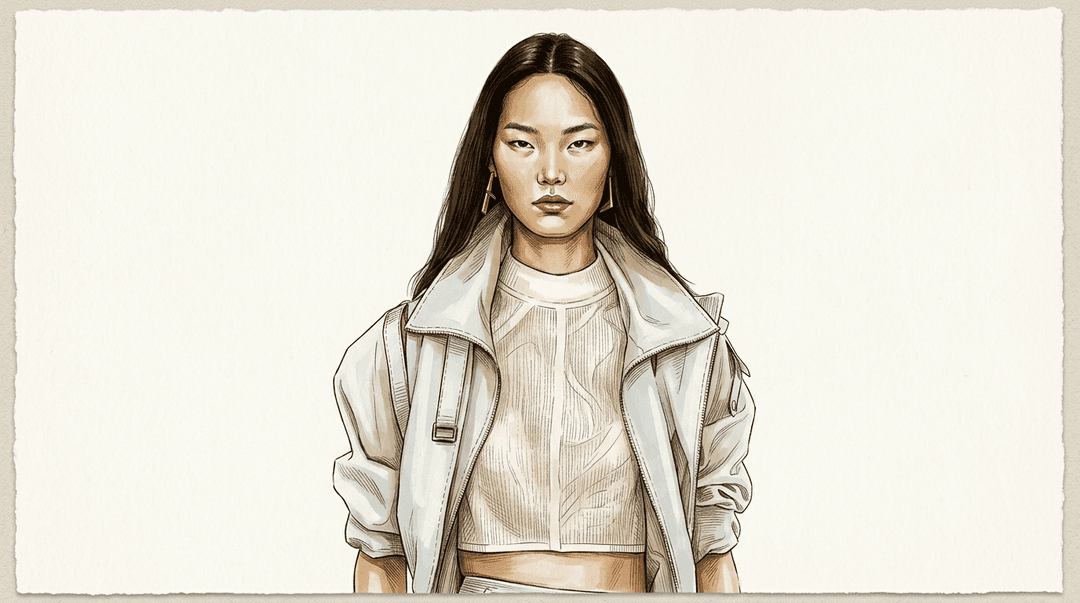
Hermès is adapting its traditional leather-centric design strategy to address rising global temperatures by introducing ultra-lightweight materials and modular cooling systems in its latest ready-to-wear collection. As seasonal temperatures climb, the Parisian design house is shifting its focus toward functional, breathable garments that retain the brand's heritage of craftsmanship while offering practical utility for warmer climates. This development represents a conscious effort to align the brand's apparel division with the changing environmental realities experienced by its global audience.
The physical evidence of this adaptation was clear on the runway. According to Vogue, the collection featured built-in cooling systems, including a parka deconstructed at the waist with snaps holding the top and bottom parts together, and dresses constructed with zippers that bisect the legs to change the silhouette[1] from a miniskirt to a midi-length version. To achieve this lightweight profile, WWD reported that the artistic director of women's ready-to-wear designed the collection around the concept of air, translating it into pragmatic silhouettes by working denim, calfskin, and silk into exceptionally light clothing[2].
The transition from heavy, structured leather to airy, modular garments relies on precise textile engineering. The design team incorporated several techniques to maintain the brand’s leather identity without adding weight. For instance, WWD noted that the collection utilized thin strips of leather applied to silk mesh to create sporty dresses, alongside perforated suede jackets and open-knit dresses resembling fishing nets[2]. This approach allows the brand to preserve its signature material heritage while ensuring the garments remain wearable during periods of intense heat. Vogue also observed that the collection mostly restricted leather to accessories and accents, representing a departure from the heavier leather and bare skin[1] featured in the previous fall collection.
The immediate environment of the presentation highlighted the practical necessity of these design choices. Vogue reported that the show took place in a stifling tent at La Garde Républicaine, where guests resorted to using paper programs as fans[1] to cope with the heat. In this warm setting, the accessories also reflected a shift toward warm-weather utility. According to WWD, the footwear included flat leather boots with delicate stitching at the sides and capri-style, barely-there sandals, while the handbag selection featured small bucket bags, cross-body styles, and slim leather clutches[2]. These choices demonstrate how the brand is re-engineering its entire product range, from apparel to leather goods, to suit a warmer global climate.
For the broader luxury market, this design pivot illustrates how heritage brands must balance historical identity with environmental utility. Historically, leather craftsmanship has been the cornerstone of the Parisian house's global reputation. By integrating modular elements like zippers on trousers that alter the silhouette from full-legged to slim, the brand is offering versatile garments that accommodate fluctuating daily temperatures. Vogue highlighted that these designs had a fresh informality with no unnecessary complications[1], suggesting that the brand is prioritizing ease of wear and functional adaptability. This strategy ensures that the apparel remains relevant to collectors who require high-utility garments for travel across different climate zones.
The long-term success of this climate-conscious design direction remains an open question for the secondary market and brand enthusiasts alike. While the ready-to-wear collection introduces innovative solutions for warm-weather dressing, the brand's primary reputation is still anchored in its structured, high-value leather handbags. How these lighter materials and modular designs will influence future accessory collections, and whether the market will embrace ultra-lightweight apparel with the same enthusiasm as traditional leather goods, are questions that only upcoming seasons will answer. The next major milestone for this design direction will occur with the upcoming couture debut in January, which will further reveal how the house intends to balance high-fashion heritage with modern environmental demands.
Related Coverage
Pricing CultureWatches - Oct 14, 2026
Audemars Piguet Expands Collector Base Through Cultural Collaborations and Sizing
The Swiss watchmaker utilizes non-traditional dimensions and high-profile partnerships to engage a broader demographic of collectors.
Recent Pricing Culture context on this market.
Watches - Oct 13, 2026
Breguet Updates Marine Watches with Eponymous Numerals and Finer Guilloché
The manufacture refines its signature sports line by replacing traditional Roman numerals with classic script and introducing a more detailed dial texture.
Recent Pricing Culture context on this market.
Watches - Oct 13, 2026
Audemars Piguet Targets Emerging Sports to Capture Younger Luxury Audiences
The Swiss watchmaker's Singapore padel activation demonstrates a calculated strategy to secure early brand equity in rapidly growing, unsaturated lifestyle domains.
Recent Pricing Culture context on this market.
handbags - Oct 7, 2026
Chanel's heritage premium is uneven across the resale market
Extreme price dispersion between rare runway pieces and standard leather goods challenges the assumption of uniform secondary market value preservation.
Recent Pricing Culture context on this market.
Sources
- 01
Vogue
Hermès Spring 2027 Ready-to-Wear Collection | VogueOct 3, 2026
Source passage
“My idea was really to walk around a very simple notion of air: A-I-R and this idea of how the air can be perceptible but also imperceptible.” Nadège Vanhée’s concept for her new Hermès collection made sense after the summer France had with its successive canicules —that’s what they call heatwaves here—but it was “in the pipes,” she said, well before the temperature spiked. There was a touch of irony in her chosen theme. The tent set up at La Garde Républicaine for today’s show was stifling, and the long wait for guests to find their way to the venue because of Pride road closures meant that by the time the show started many of us were using our paper programs as fans as we watched prints of actual old-fashioned, hand-held fans breeze by. The uncomfortable heat made you appreciate the lengths to which Vanhée went to give her clothes built-in cooling systems. It might be a sheath made in a fine gauge knit stitched with thin vertical strips of leather, or a coat with a carwash hem, or a parka that had been deconstructed at the waist, with a series of snaps holding the top and bottom parts in place. Other dresses were constructed with zippers that bisected the legs; zip them up and you have a miniskirt, unzip them and you’ve got a midi-length version. Zippers also featured on trousers; manipulated up and down, they could change the silhouette from full-legged to slim. Vanhée, of l
- 02
Wwd
Hermès Spring 2027 Ready-to-Wear Runway, Fashion Show & Collection ReviewOct 4, 2026
Source passage
How does a house famous for its leather cope with a changing climate? Nadège Vanhée , Hermès’ artistic director of women’s ready-to-wear, has a few solutions. Over the past year the designer has been traveling the world, and feeling the heat, in Los Angeles, Asia and Europe, which had a brutally hot summer. She designed the collection around a simple idea, air. “Air can be perceptible, but also imperceptible, and I wanted to convert that idea into a very pragmatic silhouette,” said the designer, who worked denim, calfskin and silk into the lightest of clothing. She started with the parka, a functional piece that doesn’t exactly scream “Hermès,” but still fed her imagination. Vanhée transformed it into airy dresses and skirts with sheer panels, some of which were fitted with little zips to make them shorter, or longer. They came in a palette of sunflower yellow, chocolate, and signature Hermès orange. You May Also Like Vanhée had more cool tricks up her sleeve. Inspired by the long, rectangular blades on ceiling fans, she added swooshing pleats to a black leather blazer; a chocolate suede skirt backed with yellow silk, and an orange dress that was cinched with a double-buckle belt. Other sporty dresses were made from thin strips of leather applied to silk mesh. Air also flowed freely through perforated suede jackets, and open knit dresses that resembled fishing nets. The latter