Collectibles / The Desk
Theft of Rare Antonello da Messina Paintings Highlights Museum Security Vulnerabilities
Thieves bypassed alarm systems at the Messina museum during a major religious festival, taking key panels of a famous altarpiece and a devotional work.
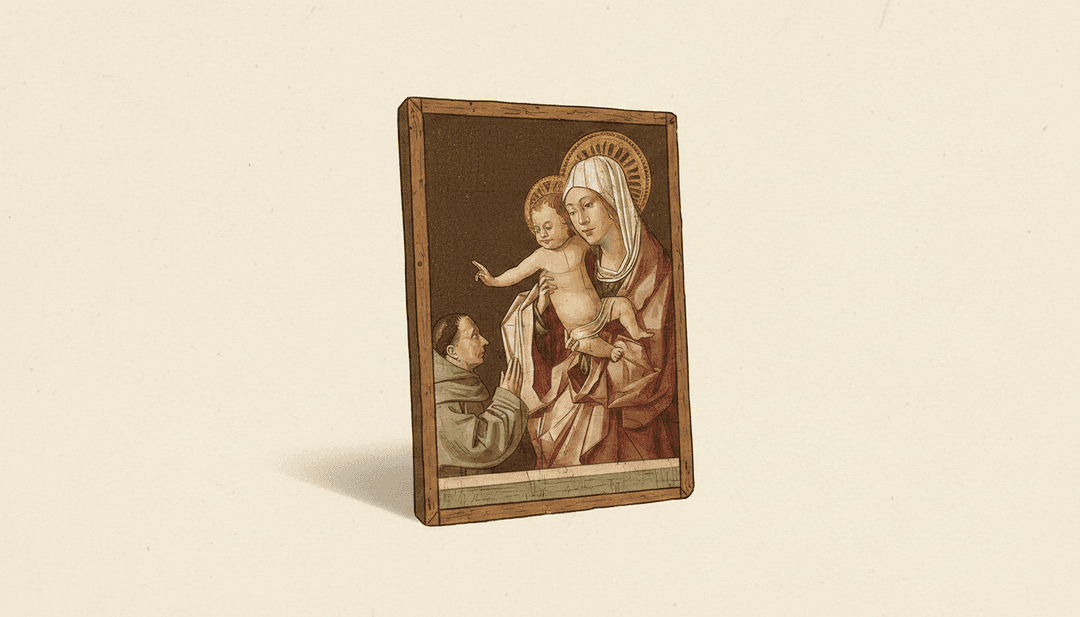
The theft of several rare Renaissance masterpieces by Antonello da Messina from a Sicilian museum highlights the severe security vulnerabilities of regional institutions holding highly illiquid cultural assets. The heist, which took place during a major national holiday, targeted the only remaining works by the master painter that had remained in his native city of Messina. By exploiting a massive public celebration that drew local security forces away from the museum, the perpetrators managed to execute a highly coordinated theft of works that represent the pinnacle of early Renaissance art in Sicily.
According to The Guardian, the thieves gained access to the Regional Museum of Messina, known as MuMe, on a Saturday evening, capitalising on the city's attention being focused on La Vara, a massive religious festival marking the Ferragosto national holiday. The New York Times reported that the procession brings massive crowds of people to the streets of Messina, which focused local law enforcement resources away from the museum's vicinity. Bypassing the alarm and security systems, the gang broke into a security display box and removed the panels, leaving behind some panels as they fled, as reported by the New York Post. This selective abandonment suggests either a hurried escape or a deliberate targeting of specific high-value components of the collection.
While asking prices in the broader collectibles art market fell -21.34%[5] over the past year, despite prices rising +2.57%[5] over the quarter and falling -0.16%[5] over the month, the market for unique Renaissance masterpieces remains entirely insulated from standard price discovery. Stolen works of this caliber carry immense cultural and historical value, yet their illicit status makes them virtually impossible to liquidate on the open market, rendering their collateral and fair market values effectively zero. This event demonstrates the stark divergence between theoretical appraisal values and net realizable values when title and physical security are compromised.
The stolen items include the majority of the surviving panels that made up the Polittico di San Gregorio, an altarpiece widely regarded as among the painter’s most significant works. The Associated Press reported that the altarpiece, created for a monastery that was subsequently destroyed in a historic earthquake, is highly celebrated as the artist's only surviving work to remain in Messina. Additionally, the thieves took a devotional panel painted on both sides, depicting the Virgin Mary and the dead Christ in Pietà, which had been removed from an armored display case, according to the Associated Press. The New York Post noted that this specific devotional panel had been acquired by the regional government after being held in private hands, representing a major public investment in cultural preservation.
The theft of high-value cultural assets held in regional public collections exposes the profound risk of localized custody. Unlike highly liquid collectibles that can be easily traded or used as collateral in structured credit facilities, unique Renaissance masterpieces of this caliber have no legitimate secondary market once stolen. Italian Minister of Culture Alessandro Giuli expressed dismay over the heist, stating that the pieces hold extraordinary value for the nation's cultural heritage, while museum director Marisa Mercurio described the loss as extremely serious and significant. The legal title risks and absolute lack of marketability mean these works cannot be sold to reputable collectors or museums, leaving them as frozen assets whose only eventual utility to criminals is typically ransom or illicit collateral in underground markets.
The incident also raises critical questions regarding the insurance and valuation of museum-quality masterpieces. Because these works are considered national treasures, they are rarely insured at full market replacement value due to the prohibitive premium costs, and they are virtually irreplaceable if lost or destroyed. Art expert Alberto Fiz, a prominent Italian curator, estimated the value of the stolen works as extraordinary, reflecting their rarity and historical significance, as reported by the New York Post. However, without a clear path to legal sale, any valuation remains purely academic. The recovery of similar high-profile stolen artworks often takes years, if not decades, during which time the assets remain entirely illiquid and exposed to severe preservation risks.
Related Coverage
Pricing Culturecollectibles - Aug 14, 2026
Vancouver Real Estate Collapse Exposes Title Risks of Art-Backed Credit
A Canadian lawsuit alleges a developer diverted investor funds to buy works by Jean-Michel Basquiat and George Condo, using them as loan collateral.
Recent coverage involving the same entity.
collectibles - Aug 14, 2026
Rolex Backs Academy Museum Gala as Secondary Market Prices Fall
The Swiss watchmaker remains the presenting sponsor of the Los Angeles event honoring Charlize Theron, Colman Domingo, and John Carpenter in October 2026.
Recent coverage involving the same entity.
collectibles - Aug 14, 2026
Rare Competition-Commissioned Talbot-Lago Teardrop Coupe With Le Mans History Heads to Auction
The only competition-commissioned example of the classic French design is expected to command an estimate of $8 Million at the California sale.
Recent coverage involving the same entity.
Sources
- 01
The Guardian
Renaissance paintings by Antonello da Messina stolen from Sicilian museumAug 16, 2026
Source passage
Theft of four works on national holiday described as wound to historical memory and cultural identity of city of Messina Four of the most important works of art by the 15th-century Renaissance master Antonello da Messina were stolen during a national holiday from a museum in the Sicilian port city of Messina. Thieves gained access to the Regional Museum of Messina , or MuMe, on Saturday evening, possibly capitalising on attention being focused on La Vara, a huge religious festival that takes place in the city on 15 August, when Italy marks the Ferragosto national holiday. Bypassing the alarm systems, the gang broke into a security display box and stole four wood panels painted by Antonello, who is widely credited with changing the course of Renaissance art . Thieves took three of the five surviving panels that made up an altarpiece known as the Polittico di San Gregorio , one of the Sicilian painter’s most important works. “It is an extremely serious and significant loss,” said Marisa Mercurio, the director of the museum. “They have stolen works of enormous cultural, artistic and symbolic importance, not only for Messina but for Sicily as a whole. All we can do now is hope they are recovered as soon as possible.” Originally composed of six panels created for the Monastero di San Gregorio, which was destroyed in the 1908 Messina earthquake, the altarpiece was the only work by th
- 02
Nytimes
Art Heist: 4 Antonello da Messina Paintings Stolen From SicilySource passage
Four paintings by the Renaissance master Antonello da Messina were stolen from a museum in Messina, Sicily, on Saturday, Italian officials said. Taking advantage of an annual religious celebration that brings tens of thousands to Messina’s streets, thieves made off with three of five panels that constitute the Polyptych of San Gregorio as well as a small double-sided devotional painting . They are the only works by Antonello da Messina, commonly called Antonello, that remained in his native city. The celebration, the Procession of the Vara, is a religious ritual that takes places every Aug. 15. Some 100,000 people attended the celebration and the city’s law enforcement officials were focused
- 03
Nypost
Four Renaissance paintings of 'extraordinary value' swiped from museum ...Source passage
See more of our coverage in your search results. A gang of brazen art thieves made off with four Renaissance paintings of “extraordinary value” from an Italian museum over the weekend, local officials said. Altogether, the crooks nabbed six panels from the Museo Regionale di Messina in Sicily, but abandoned two as they fled on Saturday night, reports said. Italian Minister of Culture Alessandro Giuli said the pieces, which date to the 15th-century, had “extraordinary value for our cultural heritage,” as he expressed his “dismay and regret” over the heist, according to the BBC . The value of the stolen works was estimated at between $81-$92 million by art expert Alberto Fiz, a prominent Italian curator. The thieves were able to bypass alarms and security systems at the museum as crowds gathered across Messina to celebrate Ferragosto, an annual major religious holiday marking the feast of the Assumption of Mary. They targeted works attributed to Antonello da Messina, a towering figure of the Italian Renaissance whose paintings are considered extraordinarily rare. Notably missing were the artist’s “San Gregorio” polyptych and a tiny, double-sided “Madonna and Child” panel that was acquired by the Sicilian government in 2003 for $300,000. The “San Gregorio” altarpiece was created around 1473 and is famous for being the only surviving work by the painter to have remained in its nati
- 04
Apnews
Renaissance artworks by da Messina stolen from Sicily museum | AP NewsSource passage
The paintings had been stolen from a private museum near the northern city of Parma, the same city in which they were found during a search of a flat, wrapped in sheets. The three recovered paintings are “Fish” by Auguste Renoir, “Still Life with Cherries” by Paul Cézanne, and “Odalisque on the Terrace” by Henri Matisse. A journalist browses the Messina museum website showing a picture of the Early Renaissance painter Antonello da Messina’s artwork where three of the five panels belonging to the Polyptych of San Gregorio and the double-sided panel with the Madonna and the Christ in Pietà, stolen from the Sicilian museum on Aug. 15, in Rome, Sunday, Aug. 16, 2026. (AP Photo/Gregorio Borgia) MILAN (AP) — Thieves stole four works attributed to Renaissance painter Antonello da Messina worth millions of euros from the regional museum in the city of Messina in Sicily while crowds gathered across town for the traditional Assumption holiday celebrations, cultural officials and Italian media said Sunday. The thieves bypassed alarm and security systems on Saturday evening at the MuMe museum, making off with three of the five surviving panels of the San Gregorio Polyptych, dated to 1473, as well as the double-sided panel depicting the Virgin Mary and the dead Christ in Pietà, which was removed from an armored display case, the news agency LaPresse reported. They removed all five panels of
- 05
Pricing Culture Data
Collectibles market dossierAug 17, 2026
Source passage
Calculated deterministically from the recorded market observations cited in this story.