Collectibles / The Desk
Rembrandt Export Bar Highlights Regulatory Friction in Private Masterpiece Sales
A temporary export block on the Portrait of Catrina Hooghsaet demonstrates how national heritage policies restrict international liquidity and introduce transaction risks for high-value acquisitions.
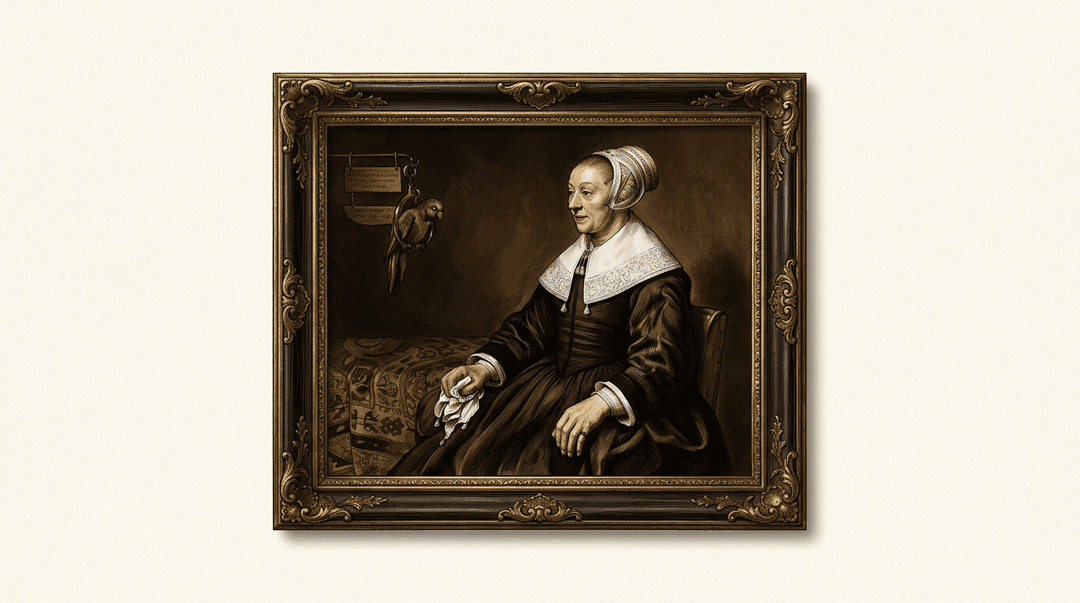
The temporary export bar placed on Rembrandt’s Portrait of Catrina Hooghsaet highlights the persistent regulatory friction that limits international liquidity for major works of art held in British collections. According to Artnet News, the portrait of Catrina Hooghsaet was subjected to a temporary export bar by the British government.[2] When high-value masterpieces change hands privately, the transaction often triggers a state-sanctioned intervention designed to keep culturally significant objects within national borders. This mechanism transforms a private commercial agreement into a public preservation campaign, shifting the risk profile for international buyers who find their acquisitions frozen in regulatory limbo. By asserting national interest over private property rights, the British government establishes a formidable barrier to the global circulation of premier artworks, demonstrating how heritage preservation policies directly interfere with the mechanics of secondary-market transactions.
This intervention follows a private transaction brokered by Christie's, repeating a pattern of regulatory deferrals that previously occurred after an earlier sale in 2015,[1] when the masterpiece faced similar restrictions. Artforum reported that the painting was sold privately last year, initiating the current export license application that ultimately prompted the government's intervention.[1] By imposing this temporary block, the state creates a structured window during which domestic buyers or public institutions can attempt to match the purchase price. This recurrence of regulatory intervention for the same object demonstrates how certain assets carry permanent, localized transaction risks that cannot be entirely mitigated by private contract terms or auction-house discretion.
The decision to block the export rests on a structured evaluation framework that balances private ownership against national heritage. Artforum reported that the Reviewing Committee on the Export of Works of Art and Objects of Cultural Interest, operating under Arts Council England, recommended the bar because the painting met the Waverley criteria.[1] These benchmarks assess an object's historical significance, aesthetic importance, and value for academic study. For a painting of this caliber, the committee determined that its departure would represent a severe deprivation to national heritage, given its long-standing presence in British collections and its value for scholarship. This formal determination elevates the painting to national treasure status, a designation that legally justifies the suspension of export rights.
For participants in the high-end art market, this regulatory framework introduces a distinct liquidity constraint. When an international buyer acquires a work subject to these rules, the capital is committed, but physical possession and geographical relocation remain uncertain. The deferral process operates in distinct phases: an initial period allows domestic institutions to express interest and begin fundraising, followed by a second period if a serious offer emerges. During this time, the buyer's capital is effectively locked, while the ultimate ownership of the physical asset hangs in balance. This structure creates a significant spread between the transaction date and the actual delivery of the work, representing a substantial holding cost and operational risk that must be factored into any acquisition strategy.
The painting itself carries a rich historical provenance that explains its cultural value. Painted during Rembrandt’s later years, the portrait depicts Catrina Hooghsaet, a wealthy Mennonite woman from Amsterdam who lived independently from her husband. According to Artforum, the work has resided in the United Kingdom for centuries, making it a deeply integrated part of the nation's private collecting history.[1] The subject matter offers rare insights into social relations, gender, religion, and identity in the Dutch Republic, which enhances its academic value. It is precisely this combination of artistic mastery, social history, and centuries of British custody that makes the painting a priority for national preservation, illustrating how historical provenance can become a financial encumbrance when it triggers state intervention.
This regulatory environment also reshapes the incentives for sellers and intermediaries. While private sales are often selected to avoid the public scrutiny and price discovery of the auction room, the export review process forces the transaction details into the public record. The government's announcement of the export bar openly identifies the work as a national treasure and establishes a benchmark valuation that domestic institutions must match. This process effectively turns a private transaction into a public option for domestic museums, which can leverage public funds and fundraising campaigns to acquire the work. As a result, the seller's choice of a private channel does not guarantee a discreet exit when the asset falls within the scope of heritage protection laws.
Ultimately, the imposition of the export bar leaves the final disposition of the Rembrandt portrait unresolved. The immediate challenge is whether British cultural partners and funders can amass the substantial funds required to purchase the painting at its established market value before the deferral periods expire. If a domestic buyer emerges with a matching offer, the international purchaser is refunded, but loses the acquisition, while the seller achieves liquidity at the cost of a prolonged transaction timeline. If no domestic offer materializes, the export license is eventually granted, allowing the work to leave the country. Until this process runs its course, the transaction remains a prominent example of how national heritage policies can override private market mechanisms, leaving the ultimate destination of the masterpiece undecided.
Related Coverage
Pricing Culturecollectibles - Sep 20, 2026
Private Sports Photo Sales Limit Broad Market Price Discovery
A record transaction for the original photograph behind Mickey Mantle's foundational card highlights the valuation challenges facing advisors in the opaque market for vintage sports photography.
Recent coverage involving the same entity.
collectibles - Sep 15, 2026
Final Toyota GR Supra Charity Sale Offers Limited Market Price Discovery
The final fifth-generation model's upcoming auction will draw philanthropic bidding that obscures the true secondary-market baseline for the Japanese sports car.
Recent coverage involving the same entity.
collectibles - Sep 19, 2026
Live-Streamed Art Auctions Limit Price Discovery Through Proprietary Silos and Bot Barriers
The shift toward digital-only sales formats restricts public access to transaction data, leaving valuation experts without verifiable benchmarks.
Recent Pricing Culture context on this market.
collectibles - Sep 16, 2026
Anfield Tunnel Sign Auction Highlights Sports Memorabilia Valuation Challenges
A regional auction of a stadium relic reveals how informal custody chains and a lack of public comps complicate pricing for unique sports assets.
Recent Pricing Culture context on this market.
Sources
- 01
Artforum
UK Hits $97 Million Rembrandt Painting With Export BarAug 28, 2026
Source passage
By providing your information, you agree to our Terms of Use and our Privacy Policy . We use vendors that may also process your information to help provide our services. A £71 million ($97 million) painting by Dutch Golden Age master Rembrandt, has been subjected to a temporary export bar by the UK government to prevent it leaving the country. The work in question, titled the Portrait of Catrina Hooghsaet , 1657, was described as “the most expensive object ever to be given national treasure status,” in a press release published by the UK’s Department for Digital, Culture, Media and Sport and Arts Minister Ruth Mackenzie. The painting was sold privately by Christie’s last year. The export bar gives the UK government time to amass funds or find a buyer to purchase the painting at market value, and ensure it remains within the country. The deferral period for the export license application will expire on 26 December, after which the owners will have a 15-day period to consider offers. If no agreement is reached, the second deferral period will then begin, extending for nine months. Related Buoyed by $105 Million Sale, Christie’s Inaugurates Pop Culture Division Restoration of Early Rembrandt Painting Reveals Hidden Turbaned Figure The portrait, painted during Rembrandt’s later years, depicts Catrina Hooghsaet, a wealthy Mennonite woman from Amsterdam, who lived apart from her husb
- 02
Artnet
$97 Million Rembrandt Portrait Slapped With U.K. Export BarSource passage
This website uses a security service to protect against malicious bots. This page is displayed while the website verifies you are not a bot.