Brand Intelligence
Audemars Piguet Collaborations Fuel Secondary Visibility and Parallel Counterfeit Seizures
Federal officers recently intercepted a shipment of replica watches valued at $12 million had they been genuine, highlighting the growing scale of illicit luxury duplication.
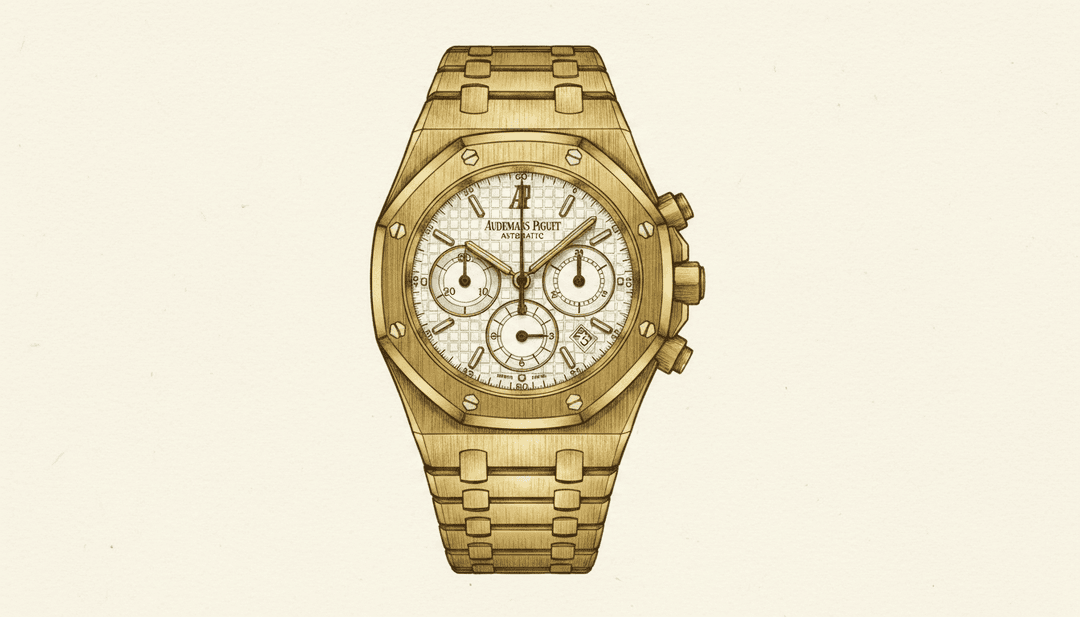
High-profile design collaborations by Audemars Piguet fuel secondary-market visibility that drives a parallel rise in sophisticated counterfeits intercepted by border enforcement. The Swiss watchmaker's deliberate strategy of releasing highly recognizable, limited-edition timepieces in partnership with global cultural figures has successfully expanded its brand equity. However, this intense cultural resonance also amplifies the incentives for illicit manufacturers to produce high-grade replicas, creating a persistent challenge for authentication specialists and secondary-market participants who must navigate a market flooded with unauthorized lookalikes.
The scale of this parallel market became clear when federal officers intercepted a major shipment of inauthentic timepieces. According to WWD, U.S. Customs and Border Protection seized counterfeit Audemars Piguet watches from a shipment passing through Indianapolis[1] that had arrived from Hong Kong and was headed to Illinois. The agency put the shipment’s combined manufacturer’s suggested retail price at $12 million[1], had the watches been genuine, representing the retail price of authentic products rather than an appraisal of the seized counterfeits.
This seizure occurred alongside the brand's ongoing push into highly visible, material-forward designs that capture widespread consumer attention. For instance, usa.watchpro.com reported that Audemars Piguet has launched a new Royal Oak Selfwinding Chronograph “Serena Williams” Limited Edition[2], created with the tennis legend to mark a long-term collaboration. This specific model features a white ceramic case, pushers, and crown, paired with a pink-tinted mother-of-pearl dial, demonstrating how the manufacture integrates striking materials and celebrity influence to sustain its cultural relevance.
The mechanism driving the counterfeit market is directly linked to the retail scarcity of these highly recognizable designs. When luxury brands limit the production of desirable references, such as white ceramic chronographs, they create a substantial gap between retail supply and global demand. This imbalance forces many aspiring buyers to seek alternative acquisition channels on the secondary market. As transactions migrate to online platforms and third-party vendors, the risk of encountering sophisticated replicas increases, as these digital venues often lack the physical inspection infrastructure maintained by authorized boutiques. This shift in purchasing behavior is precisely what illicit manufacturers exploit, using digital storefronts to distribute high-grade counterfeits to unsuspecting buyers who are unable to inspect the physical object before purchase.
The sophistication of modern counterfeits has forced enforcement agencies and brands to develop specialized expertise to identify inauthentic goods. According to WWD, specialists at the Centers of Excellence and Expertise of the border agency determined that the seized items in Indianapolis were inauthentic after finding watches bearing suspected counterfeit trademarks during a routine inspection. The necessity of involving specialized analysts highlights that modern replicas are no longer simple, easily identifiable fakes; instead, they often replicate the weight, finishing, and basic movement layout of genuine luxury watches, requiring deep technical knowledge to detect.
The challenge is not unique to a single manufacturer, as border enforcement data reveals a broader pattern across the entire luxury watch sector. WWD reported that the Indianapolis seizure follows other recent interceptions, including a shipment at Chicago O’Hare International Airport containing fake Cartier watches, as well as an earlier interception in Indianapolis of counterfeit watches bearing Swatch, Audemars Piguet, and Rolex trademarks. This widespread counterfeiting activity highlights how the entire top tier of the horological market remains a primary target for illicit replication, as counterfeiters exploit the strong brand recognition of these historic houses.
For professionals managing collections, trust assets, or secondary-market transactions, these enforcement actions emphasize the critical importance of verifiable provenance and expert authentication. The presence of highly sophisticated counterfeits means that visual inspections alone are insufficient to confirm authenticity. Instead, transaction files must include documented chain-of-custody records, original purchase receipts from authorized retailers, and independent technical assessments of the movement and materials. Relying on unverified secondary channels introduces significant valuation risks, making rigorous diligence the only reliable defense against the sophisticated replication of high-value timepieces.
Related Coverage
Pricing CultureWatches - Oct 14, 2026
Audemars Piguet Expands Collector Base Through Cultural Collaborations and Sizing
The Swiss watchmaker utilizes non-traditional dimensions and high-profile partnerships to engage a broader demographic of collectors.
Recent coverage involving the same entity.
Watches - Oct 13, 2026
Audemars Piguet Targets Emerging Sports to Capture Younger Luxury Audiences
The Swiss watchmaker's Singapore padel activation demonstrates a calculated strategy to secure early brand equity in rapidly growing, unsaturated lifestyle domains.
Recent coverage involving the same entity.
Watches - Oct 13, 2026
Breguet Updates Marine Watches with Eponymous Numerals and Finer Guilloché
The manufacture refines its signature sports line by replacing traditional Roman numerals with classic script and introducing a more detailed dial texture.
Recent coverage involving the same entity.
Watches - Oct 18, 2026
Hublot Revives Original Design Heritage with New Classic Fusion Tributo
The Swiss watchmaker returns to its founding design elements, utilizing a Zenith movement and stone dials to engage collectors of classic proportions.
Recent coverage involving the same entity.
Sources
- 01
wwd.com
CBP Seizes 300 Fake Audemars Piguet Watches in IndianapolisOct 16, 2026
Source passage
U.S. Customs and Border Protection seized 300 counterfeit Audemars Piguet watches from a shipment passing through Indianapolis, the agency announced Friday. Officers intercepted the parcel Oct. 14 at the city’s express consignment facility. It had arrived from Hong Kong and was headed to Illinois. CBP put the shipment’s combined manufacturer’s suggested retail price at $12 million, had the watches been genuine. That figure represents the retail price of authentic products, rather than an appraisal of the seized counterfeits . Officers found watches bearing suspected counterfeit Audemars Piguet trademarks during an inspection. Specialists at CBP ’s Centers of Excellence and Expertise determined that the items were inauthentic, and the agency seized them for bearing counterfeit versions of registered and recorded trademarks. “As consumers increasingly purchase from online or third-party vendors, our officers are at the frontline to guard against defrauders expecting to make money selling fake merchandise,” Michael Pfeiffer , acting director of field operations for CBP’s Chicago Field Office, said in a statement. The release did not identify the sender or recipient beyond the shipment’s origin and destination or announce any arrests or charges. The Indianapolis seizure follows other recent interceptions of counterfeit watches. On Sept. 18, CBP officers at Chicago O’Hare Internatio
- 02