Handbags / The Desk
Hermès Footwear Placements Reinforce Brand Equity in Quiet Luxury Sector
Organic high-profile endorsements of entry-level artisanal products support the French house's broader retail ecosystem and long-term customer acquisition strategy.
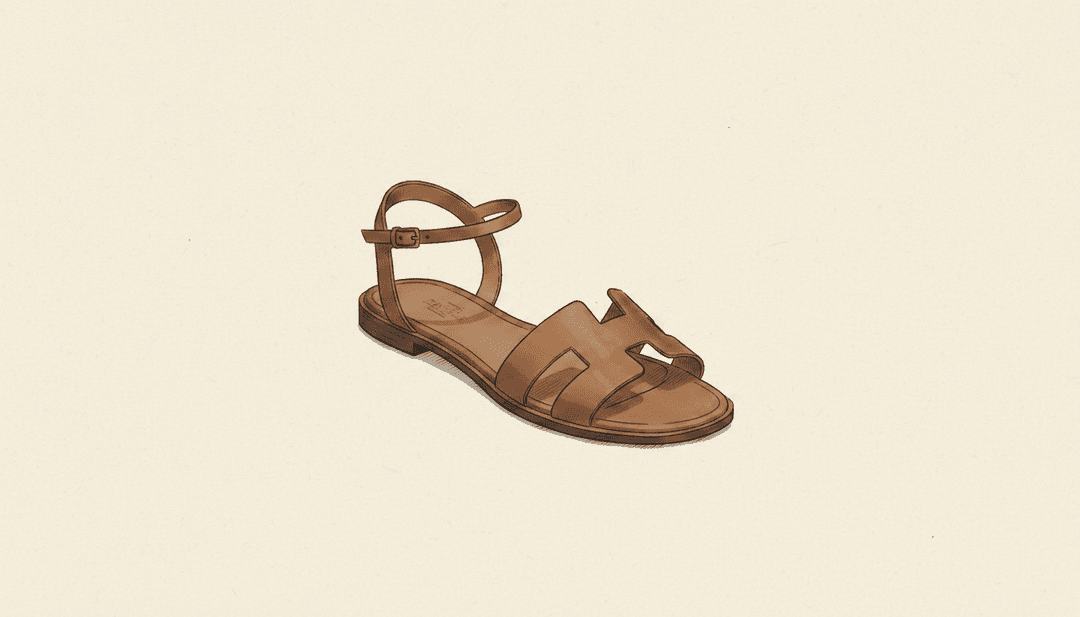
The organic visibility of Hermès products continues to serve as a powerful marketing driver without traditional advertising spend. Meghan Markle recently transitioned her preferred summer footwear to the Hermès Santorini sandal, as reported by Vogue.[1] This shift from her previous choice of the brand's classic Oran flat highlights the enduring appeal of the house's understated, logo-light leather goods among high-profile individuals.
Footwear News noted that the Duchess of Sussex wore the tan leather sandals during a public appearance at a bakery in California.[2] Such public placements reinforce the brand's quiet luxury positioning at a time when other luxury conglomerates face softening demand for heavily branded apparel. For the broader Hermès ecosystem, entry-level leather goods like sandals serve as a critical gateway, establishing client relationships that eventually feed into the highly controlled allocation system for sought-after handbags.
While the brand does not disclose individual product sales, the sustained visibility of its core footwear lines supports steady foot traffic and digital engagement. According to Vogue, the transition to the strapped Santorini silhouette represents a subtle evolution in classic summer styling.[1] This organic endorsement helps maintain the high demand that insulates the French luxury house from the wider cyclical downturns currently impacting its competitors.
The mechanics of the Hermès retail model rely heavily on these entry-level categories to qualify clients for highly coveted leather goods. Because the house does not utilize traditional paid celebrity campaigns, organic adoption by prominent figures remains a key driver of aspirational demand. When high-profile individuals publicly wear accessible heritage designs, it validates the entry-level catalog for aspirational buyers who seek to establish a purchasing history with the house.
This relationship-building process is central to the brand's long-term customer retention strategy. Footwear purchases represent a significant portion of the initial transaction history that sales associates evaluate when allocating scarce handbags. By maintaining a highly desirable and visible footwear line, the brand ensures a continuous pipeline of new collectors entering its retail ecosystem, thereby sustaining the secondary market premiums that define the brand's financial resilience.
Furthermore, the shift from the slide-style Oran to the strapped Santorini reflects a broader consumer preference for functional yet elevated wardrobe staples. As noted by Vogue, the choice of footwear demonstrates how subtle design variations can refresh a classic look without relying on overt branding.[1] For luxury market observers, this reinforces the thesis that the highest tier of consumers continues to prioritize craftsmanship and heritage over transient fashion trends.
Ultimately, the sustained cultural relevance of these classic designs ensures that the brand's entry-level products remain highly liquid assets in the resale market as well. While footwear does not typically command the same secondary-market premiums as pristine leather handbags, strong primary-market demand for these styles keeps retail stores active and strengthens the brand's overall market share.
This consistent demand across all product tiers highlights the structural strength of the French house's business model. While competitors struggle with inventory management and promotional markdowns, the steady appetite for core heritage items allows the brand to maintain strict pricing integrity. The organic endorsement of classic footwear styles serves as a reminder of the brand's unique ability to generate sustained consumer desire across generations and price points, reinforcing its position at the apex of the luxury market.