Collectibles · The Desk
Single Owner Provenance Insulates Blue Chip Art Values From Market Fluctuations
The back-to-back evening sales at Christie's in New York demonstrated that top-tier estate pedigree commands a premium even as broader market volumes experience quiet periods.
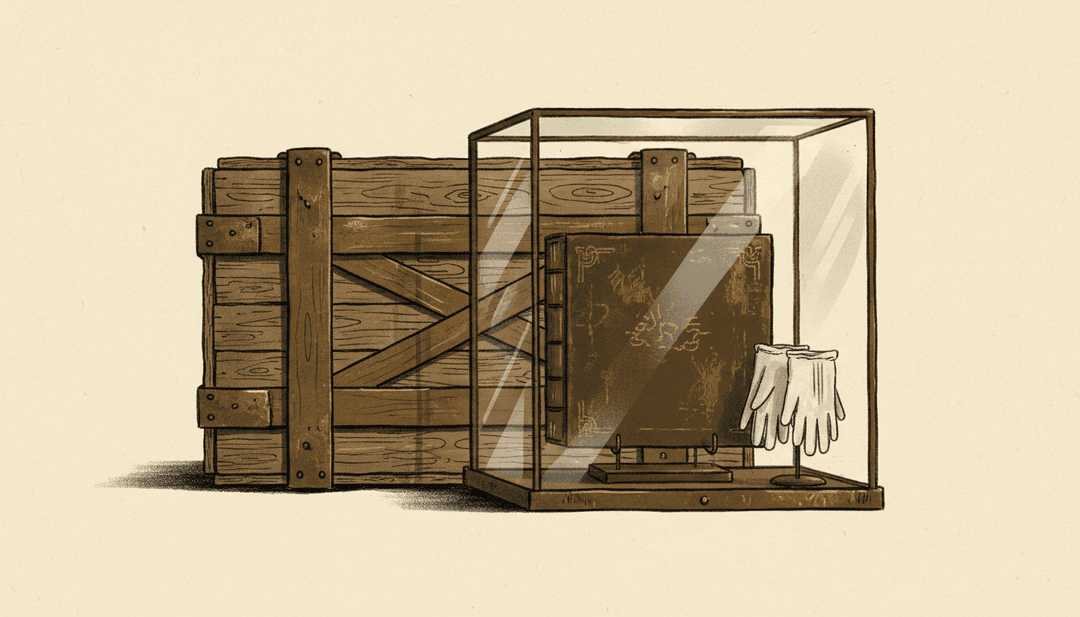
The atmosphere inside the auction room during major spring sales carries a distinct tension, where the reputation of legendary collectors is put to the ultimate financial test. At Christie's in New York, this tension resolved into a historic evening as the estate of the late media magnate S.I. Newhouse met the market alongside a curated selection of twentieth-century masterpieces. The back-to-back auctions proved that when pedigree is impeccable, the appetite of global collectors remains insatiable. Rather than reflecting a broader trend of easy bidding, the results highlighted a growing divide in the art market: a fierce concentration of capital at the absolute peak of provenance, contrasting with a more cautious approach for works lacking such illustrious history.
According to a report by Ocula, the combined evening auctions managed to secure a total yield of more than one billion dollars, establishing a towering benchmark for the season. This massive sum was driven in large part by the highly anticipated offering of works from the Newhouse collection, which had been assembled over decades with an eye for historical significance and aesthetic power. For active market participants, the success of these sales offers a crucial lesson in valuation. The premium paid for pieces from a renowned collection is not merely a nominal addition; it functions as a protective shield, preserving asset value even during periods when the wider economy presents headwinds. Collectors who watch these proceedings from the sidelines must recognize that these top-tier results do not necessarily guarantee similar performance for equivalent works held in private hands without the benefit of a famous name on the provenance line.
The mechanics of the evening showed how strategic guarantees and intense marketing campaigns converge to ensure success. The Art Newspaper reported that the back-to-back sessions, comprising both the dedicated Newhouse sale and the broader twentieth-century evening auction, represented a massive triumph for the auction house. This dual-format structure allowed Christie's to maintain momentum throughout the night, drawing in a diverse group of international bidders who competed vigorously for rare masterpieces. The bidding battles in the room and on the phones revealed that while buyers are increasingly selective, they are willing to stretch their budgets to extraordinary lengths for objects that represent the pinnacle of an artist's career. This behavior suggests that the modern collector is less interested in speculative acquisition and far more focused on securing museum-quality assets that can anchor a collection for generations.
For professionals in the art advisory and appraisal sectors, the New York sales provide a wealth of qualitative data. The reliance on guaranteed bids and third-party backing was a notable feature of the evening, a strategy that mitigates risk for consignors but can sometimes obscure the true depth of organic demand in the room. When analyzing these results, advisors must look beyond the headline figures to understand the underlying dynamics. The strong performance of twentieth-century classics indicates that historical importance remains the safest harbor for capital. However, the premium commanded by the Newhouse provenance suggests that future valuations must place an even greater emphasis on the history of ownership. A work with a pristine, well-documented exhibition history and association with a legendary collector will continue to outperform similar works by a wide margin, widening the gap between the masterpieces and the rest of the market.
As the dust settles on this landmark evening, the broader implications for the collectibles market become clearer. The concentration of wealth at the very top of the art market mirrors trends seen in other high-end asset classes, such as rare automobiles and vintage timepieces, where exceptional provenance similarly dictates record outcomes. For collectors looking to navigate this landscape, the key takeaway is the importance of curation and documentation. Building a collection with a cohesive narrative and maintaining meticulous records is not just a matter of scholarly pride; it is a vital strategy for capital preservation. The extraordinary results achieved at Christie's demonstrate that while market sentiment may fluctuate, the allure of a legendary collection remains an undiminished force in the global art trade.
Sources & further reading
- 1.According to a report by Ocula, the combined evening auctions managed to secure a total yield of more than one billion dollars, establishing a towering benchmark for the season. — Ocula
- 2.The Art Newspaper reported that the back-to-back sessions, comprising both the dedicated Newhouse sale and the broader twentieth-century evening auction, represented a massive triumph for the auction house. — Theartnewspaper