Auctions · The Desk
Prehistoric Titan Sale Redefines the Global Market for Exceptional Fossils
A highly complete Tyrannosaurus rex skeleton sparked intense bidding at Christie's, raising concerns among scientists about private buyers dominating natural history.
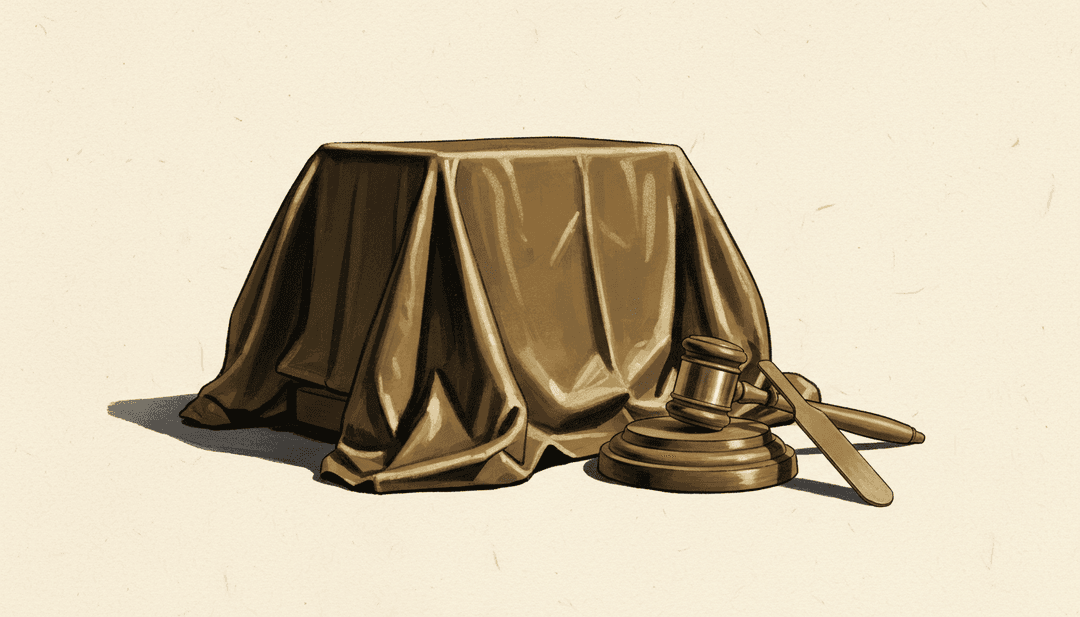
The auctioneer's hammer fell at Christie's in New York, concluding a fierce bidding war that redefined the global market for natural history. The prize was a late-Cretaceous titan: a highly complete Tyrannosaurus rex skeleton known affectionately as Stan. Discovered decades ago in the badlands of South Dakota, the fossil had spent years on display at a private research institute before financial disputes and a court order forced its sale. On that evening, telephone bidders from around the globe clashed in a dramatic contest that lasted for several minutes of intense competition, pushing the final price to a level never before seen for a prehistoric specimen. The room fell silent as the bids climbed higher and higher, demonstrating the extraordinary appeal of these ancient predators to the world's wealthiest buyers.
According to the BBC, the fossil remains one of the most intact skeletons of its kind ever unearthed, boasting a significant portion of its original bone structure. The amateur paleontologist who first spotted a hip bone emerging from the South Dakota dirt could hardly have anticipated that his find would one day command a premium that rivaled the world's most coveted masterpieces of modern art. The skeleton, which lived millions of years ago, features a remarkably preserved skull and clear evidence of violent battles survived during its lifetime, including healed puncture wounds in its ribs and fused vertebrae in its neck. This incredible physical history adds a layer of narrative provenance that collectors find irresistible, transforming a scientific specimen into a dramatic sculpture of prehistoric survival.
For high-end collectors and auction specialists, this landmark transaction has transformed the valuation of natural history specimens. Once the domain of academic institutions and public museums, dinosaur fossils have increasingly become status symbols for ultra-high-net-worth individuals who view them as the ultimate statement pieces for private estates or corporate headquarters. This crossover demand has created a highly competitive sub-market where fossil quality, completeness, and dramatic presentation are prized much like provenance in fine art. However, this commercialization has also sparked intense debate within the scientific community. The BBC reported that paleontologists expressed deep concern that such high prices would price public museums out of the market, locking away invaluable scientific specimens in private collections where researchers may never access them. This tension highlights the growing divide between public education and private acquisition in the high-end collectibles arena.
While the exact final sum reached tens of millions of dollars—far exceeding the initial estimates set by the auction house—the broader implications for the collectibles market are clear. The sale demonstrated that natural history can command the same financial gravity as blue-chip paintings, rare classic cars, or historic jewels. According to the BBC, the final price established this Tyrannosaurus rex as the most expensive dinosaur ever sold at auction, eclipsing previous records set in the late twentieth century. For dealers and appraisers, this suggests that the valuation of exceptional fossils is no longer tied to scientific utility alone, but is now driven by the global competition for rare, trophy-class assets that represent the absolute pinnacle of rarity and visual impact.
As the dust settles, the market for fossilized remains continues to attract both passionate collectors and vocal critics. The tension between public preservation and private ownership remains unresolved, yet the financial allure of these ancient giants shows no signs of waning. For the professional appraiser, the challenge now lies in assessing how subsequent discoveries will perform when they hit the block, and whether the market can sustain these multi-million-dollar valuations without the unique provenance and completeness that made this particular specimen a global phenomenon. As more collectors look to diversify their portfolios with tangible history, the intersection of paleontology and high finance is poised to remain one of the most dynamic segments of the auction world.
Sources & further reading
- 1.According to the BBC, the fossil remains one of the most intact skeletons of its kind ever unearthed, boasting a significant portion of its original bone structure. — Bbc
- 2.The BBC reported that paleontologists expressed deep concern that such high prices would price public museums out of the market, locking away invaluable scientific specimens in private collections where researchers may never access them. — Bbc
- 3.According to the BBC, the final price established this Tyrannosaurus rex as the most expensive dinosaur ever sold at auction, eclipsing previous records set in the late twentieth century. — Bbc