Auctions / The Desk / Goldin
Goldin Summer Memorabilia Auction Draws Strong Early Bidding Activity
The sale features 570 lots of game-used sports memorabilia with no lots carrying traditional pre-sale estimates.
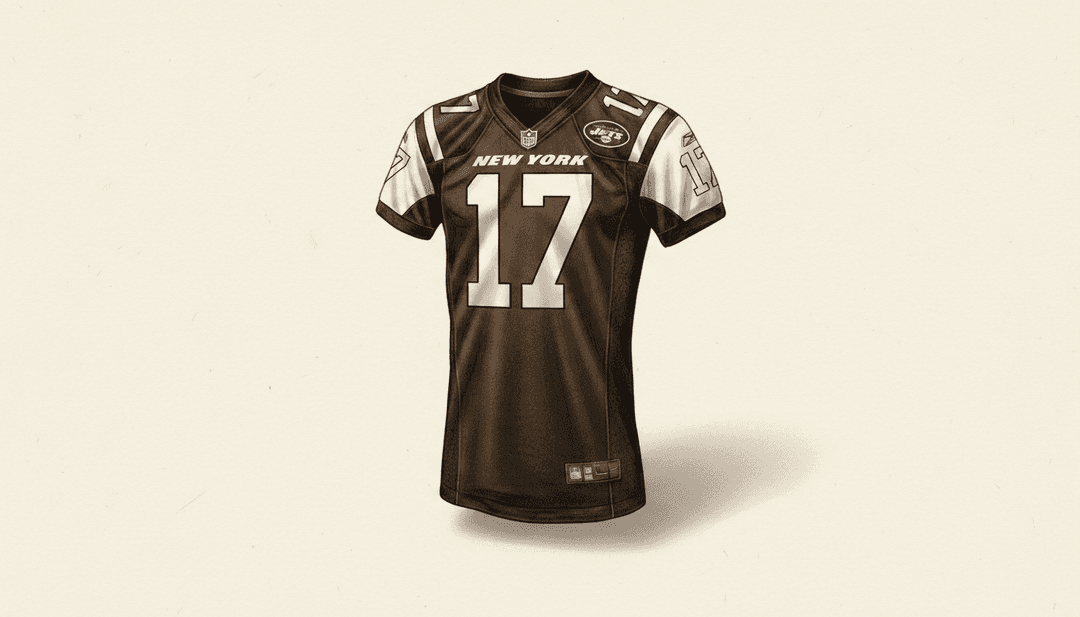
Goldin's Summer Game Used Memorabilia Auction is underway, showcasing a pure-market approach to sports collectibles. By omitting traditional pre-sale estimates across the 0 estimated lots, the auction house shifts the valuation burden entirely to the bidding floor. This mechanism tests real-time demand without the anchoring effect of specialist expectations, a strategy that relies heavily on the depth of the active bidding pool. The auction features a diverse array of game-worn jerseys, equipment, and historical artifacts, representing a broad cross-section of modern sports history.
Early engagement metrics indicate significant participation. Out of the 570 total lots catalogued for the event, 494 have already attracted active bids. This broad interest has generated a total of 4,198 bids before the final hammer, representing a high density of bids per active lot. The current sell-through rate reflects 0 completed transactions because the auction remains open, meaning these figures reflect active price discovery rather than final realizations.
The absence of pre-sale estimates alters the psychological dynamics of the sale. In traditional sports memorabilia auctions, high estimates can discourage entry-level bidding, while low estimates can imply lack of confidence. Removing this framework entirely allows the market to establish its own baseline. This approach is particularly relevant for game-used material, where value is highly sensitive to photomatched evidence, player performance, and historical significance. The high ratio of bids to lots suggests that the lack of estimates has lowered the barrier to entry, stimulating early-stage liquidity.
For market participants managing portfolios of passion assets, the velocity of early bidding offers a clearer picture of underlying demand than static appraisals. When an auction house lists 0 lots with estimates, the lack of guidance forces bidders to rely on recent private sales and historical auction comparables. This increases the importance of independent valuation databases. The fact that nearly all catalogued lots have already received bids indicates that buyers are comfortable establishing their own valuation baselines without house guidance. This self-directed valuation process reduces the reliance on traditional auction house expertise and highlights a more decentralized market structure.
The strategy of running a large-scale, no-estimate auction also reflects a broader tactical shift in the sports memorabilia sector. By accelerating the bidding process through low opening bids and no reserves, the house minimizes the risk of unsold lots. This protects the market from the negative implications of high buy-in rates. In a market where holding periods have compressed and turnover velocity is highly prized, this auction structure prioritizes immediate liquidity over protected high-end reserves. The willingness of consignors to participate in such a structure indicates a preference for guaranteed execution over protracted negotiations or risk of non-sale.
The reliance on game-used material introduces specific valuation challenges that are being tested in this unanchored environment. Unlike trading cards, which rely heavily on standardized grading scales, game-worn items require extensive provenance, photomatching, and historical documentation. The high volume of early bids suggests that buyers are satisfied with the authentication files provided, transferring their trust from price estimates to physical verification. This shift highlights a maturing market where physical evidence and independent authentication carry more weight than the auction house's price guidance.
As the sale progresses toward its final hours, the focus shifts from initial bid volume to the depth of the bidding stack. While the early count of 4,198 bids demonstrates strong engagement, the ultimate test of this no-estimate model will be the final hammer prices relative to historical retail averages. The outcome will provide a clear benchmark for the fair market value of game-used assets in the current cycle, offering crucial data for future collateral and insurance valuations.
Related Coverage
Pricing CultureBonhams - auction - Jul 31, 2026
Bonhams Tests Mid-Market Chinese Paintings Demand with Upcoming Sale
The auction house will offer a curated selection of works with an aggregate high estimate of $999,500.
Recent Pricing Culture context on this market.
Bonhams - auction - Jul 30, 2026
Bonhams Opens Entry-Level Art Channel With Discovery Pictures Auction
The upcoming online sale features 103 lots with an aggregate high estimate of $54,210.
Recent Pricing Culture context on this market.
auction - Jul 28, 2026
Lawsuit Alleges Stolen Pierre Soulages Painting Was Sold at Auction
The heirs of a New York real estate collector allege the multi-million-dollar artwork vanished from their home decades before its sale at Christie's.
Recent Pricing Culture context on this market.
collectibles - Jul 28, 2026
Early Gehry Masterpiece Moves From Off-Market Deal to Public Listing
The Benson House in Calabasas highlights how collectors treat rare architectural pedigree as a highly liquid and tradeable asset class.
Recent Pricing Culture context on this market.