Collectibles / The Desk
Christie’s Direct-from-Set Sourcing Redefines Movie Memorabilia Distribution
The auction house will partner directly with the production of the upcoming sequel, marking a major shift from the original film's peer-to-peer costume liquidation.
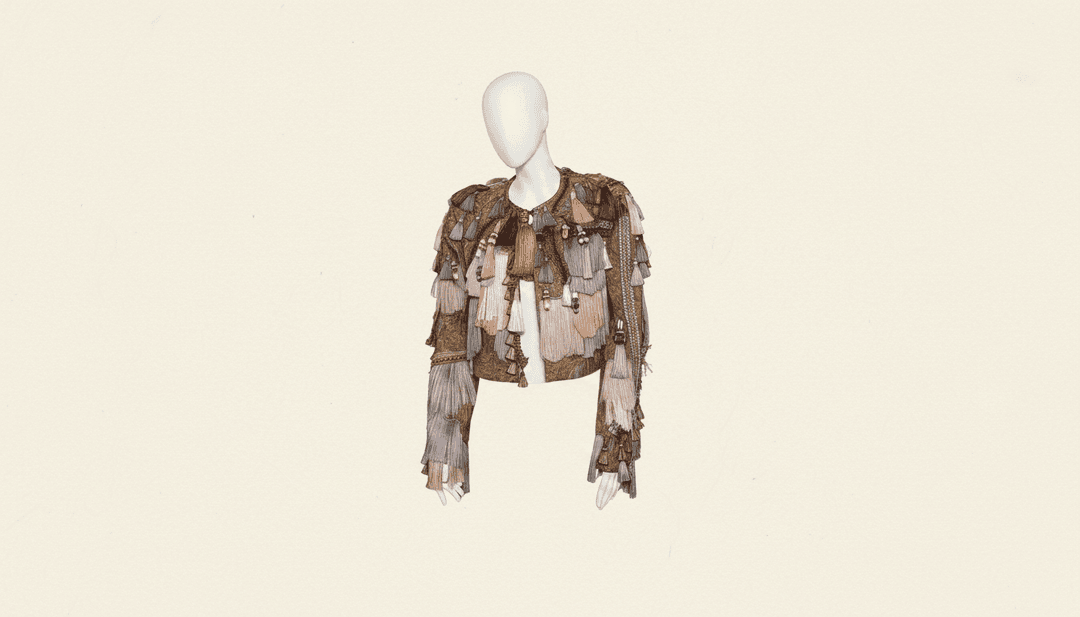
Christie's is bypassing traditional secondary-market sourcing by partnering directly with film productions to auction wardrobe assets, transforming how cinematic memorabilia enters the market.
The upcoming sale of wardrobe assets from the sequel to The Devil Wears Prada marks a stark institutional shift from the original film's costume liquidation, which occurred on eBay in `2006[1]`.
According to ARTnews, the transition from a peer-to-peer online marketplace to an evening-sale-adjacent auction platform illustrates the maturation of the entertainment memorabilia market.[1] In `2006`, movie studios treated wardrobe assets primarily as promotional marketing tools or tax write-offs, often liquidating them through uncurated charity auctions. By contrast, the direct pipeline to Christie's establishes immediate provenance, eliminates the holding-period risk typically associated with secondary-market consignments, and targets capital looking for high-end cultural assets.
Christie's announced the dedicated sale, titled "The Devil Wears Prada 2: The Auction," to offer apparel and accessories directly from the set of the upcoming sequel, as detailed on the auction house's official listing. This direct-from-set model alters the traditional valuation chain. Instead of waiting for items to circulate through private collections—where condition can degrade and provenance documentation can be lost—the auction house secures a pristine, authenticated custody chain from the outset.
This structural shift changes the liquidity profile of contemporary film memorabilia. By establishing a direct commercial channel between production studios and the secondary market, auction houses can capture transaction volume immediately upon a film's release. For the broader market, this institutionalization suggests that high-end fashion and film memorabilia are increasingly treated with the same structural rigor as fine art, where provenance is guaranteed at the point of origin rather than reconstructed decades later.
The mechanics of this partnership also represent a risk-mitigation strategy for the auction house. Traditional luxury consignments are subject to highly volatile supply dynamics, relying on the discretionary decisions of private collectors to bring high-value items to market. Direct studio partnerships provide a predictable, high-profile inventory pipeline that is insulated from the typical holding-period constraints of the secondary market.
Furthermore, this model addresses the persistent challenge of authentication in the collectibles sector. By sourcing directly from the production company, Christie's bypasses the need for external grading or forensic textile analysis, which are often required for historic film costumes. The direct transfer of custody from the studio to the auction house provides an ironclad provenance record that protects future resale value.
From a transaction perspective, direct-from-set auctions also alter the traditional fee and margin structures for auction houses. In a standard consignment, the house must negotiate seller's commissions and often guarantee minimum prices to secure top-tier items, which compresses margins. With direct studio partnerships, the auction house can negotiate favorable terms directly with the production company, often aligning the sale with promotional budgets that subsidize marketing costs. This allows the house to maximize net realizable value while leveraging the global publicity of a major film release to attract new bidders into their ecosystem.
This integration also reflects a broader trend of auction houses operating as primary-market distributors rather than purely secondary-market venues. By positioning themselves at the point of origin for cultural artifacts, houses like Christie's are effectively capturing the primary retail premium of these objects. This strategy not only secures immediate transaction volume but also establishes a baseline valuation for the assets, which will influence their pricing dynamics when they eventually return to the secondary market in future years.
This evolution highlights how the boundaries between luxury retail, entertainment, and fine art auctions continue to blur. As major houses seek to diversify their offerings and attract new bidding demographics, direct-from-set auctions provide a highly visible entry point that leverages cultural relevance to drive transaction volume. The contrast between the uncurated eBay listings of `2006` and the structured, high-end presentation at Christie's today highlights a market that has transitioned from a niche hobbyist pursuit into a sophisticated segment of the global passion asset economy.
Related Coverage
Pricing CultureSources
- 01
- 02
Christies
Auction 25097 Nyr