Collectibles / The Desk
Giacometti Auction Records Highlight Concentration of Post-War Sculpture Value
An analysis of the artist's highest-grossing public sales reveals that top-tier bronze casts command a significant premium over his paintings and earlier surrealist works.
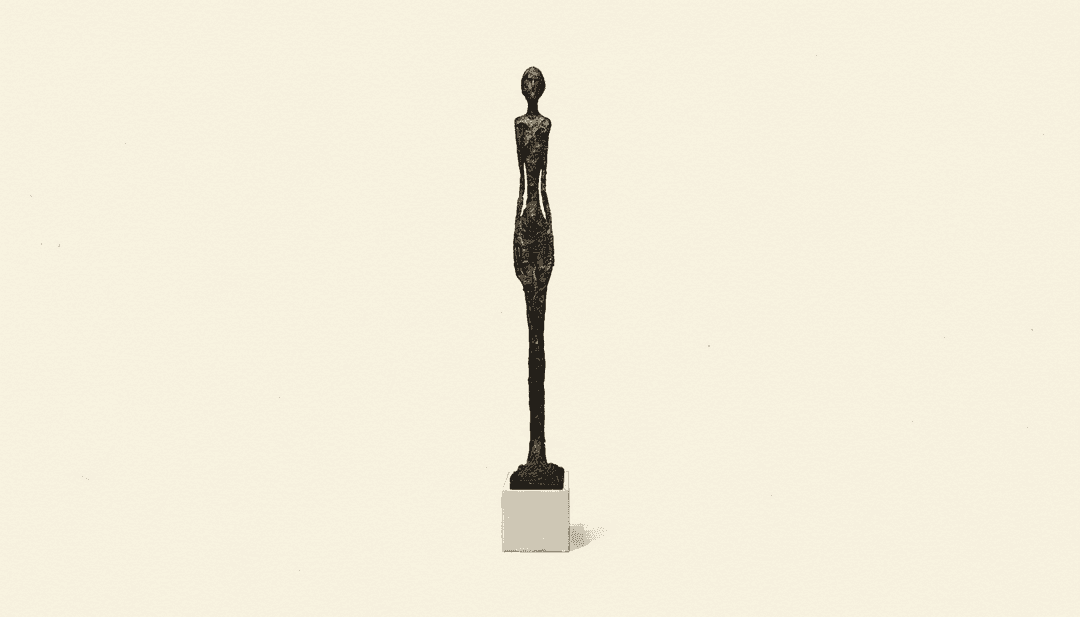
The market for modern sculpture remains anchored by a small group of post-war masterpieces, with Alberto Giacometti representing the absolute pinnacle of this category. Born in Switzerland in `1901[1]`, Giacometti developed a visual language that transitioned from early painting experiments to the elongated, textured bronze figures that now dominate evening sales at major auction houses. The artist produced some of his earliest creative works around `1913[1]` and `1915[1]`, according to Christie's, laying the foundation for a career that would redefine modernist sculpture. The transition from these early regional efforts to the center of the avant-garde occurred when he relocated to Paris in `1922[1]`, where he studied under Antoine Bourdelle and began engaging with surrealist circles.
This biographical trajectory directly shapes the modern valuation framework used by specialists and advisors. While Giacometti's early works from his time in Paris and his subsequent exhibitions starting in `1927[1]` command serious academic interest, the commercial market exhibits an extreme concentration of value. The highest tier of the market is almost exclusively populated by his post-war bronze sculptures, particularly those conceived during the mid-century period. These tall, spindly figures represent the vast majority of his record-breaking public transactions, according to an analysis by ARTnews of the most expensive works by the artist sold at auction.[2] For institutions and private estates managing these assets, this concentration means that an individual bronze cast can represent a significant portion of a collection's total fair market value, creating unique challenges for insurance coverage and estate planning.
The high concentration of value in a specific medium introduces distinct operational risks, particularly regarding cast lifetime, edition numbering, and lifetime versus posthumous casting. Diego Giacometti, the artist's brother, closely supervised the casting and patination of many of these bronzes, Christie's notes, adding a layer of provenance that directly impacts collateral value and net realizable value.[1] Because multiple authorized casts of the same sculpture exist across public and private collections, valuation assumptions must look beyond simple image comparisons. Advisors must verify the specific foundry mark, the lifetime casting documentation, and the precise history of ownership to establish a reliable appraisal. A failure to document these elements can lead to substantial discrepancies between insurance replacement value and the actual hammer price achieved at an evening sale.
The liquidity of the Giacometti market is heavily dependent on the participation of a global cohort of trophy-hunting buyers who view these sculptures as premier wealth-preservation assets. The top auction results for the artist are distributed across major sales at Christie's and Sotheby's in New York, as reported by ARTnews, demonstrating that the market relies on the deep liquidity of these primary salerooms.[2] This concentration of sales at the absolute high end of the market means that while top-tier bronzes enjoy robust demand, the market for his paintings and drawings can experience wider bid-ask spreads and lower sell-through rates during periods of broader economic adjustment. Consequently, holding periods for his non-sculptural works have lengthened as sellers resist accepting lower net realizable values.
For committees overseeing trust portfolios or institutional holdings that include works by the Swiss master, the current market structure demands rigorous governance. The valuation basis must be updated regularly to account for the specific dynamics of the bronze market, where the appearance of a comparable cast can instantly reset the benchmark for an entire edition. Rather than relying on static appraisals, decision-makers must evaluate the portfolio's exposure to individual artist concentration risks and ensure that custody and insurance arrangements are calibrated to the unique physical vulnerabilities of delicate, elongated bronze structures. The choice between retaining a premier cast for long-term capital preservation or consigning it to exploit a period of high demand remains a fundamental strategic decision that requires a clear understanding of current auction liquidity.
Related Coverage
Pricing CultureSources
- 01
Christies
Alberto Giacometti - 02