Collectibles / The Desk
Charity Funds From $62,000,000 Painting Sale Remain Unpaid
The British artist Sacha Jafri sold his massive canvas in Dubai to benefit global children's organizations, but legal and administrative hurdles have blocked the proceeds.
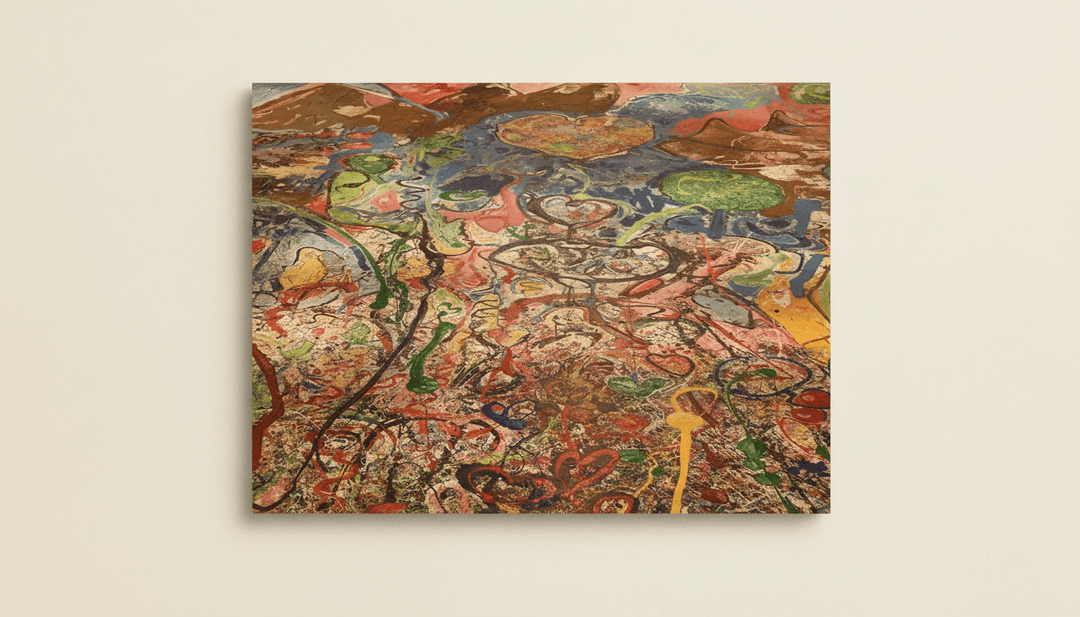
In 2021[1], the international art market witnessed one of the largest philanthropic transactions on record when British artist Sacha Jafri sold his massive canvas, "The Journey of Humanity," for a hammer price of $62,000,000[1] (or £45,000,000[1]). As reported by The Guardian, the work was purchased in Dubai by Andre Abdoune, a French businessman residing in the region, with the explicit promise that the proceeds would fund global children's initiatives through organizations such as UNICEF, UNESCO, and Dubai Cares.[2] The sale was celebrated as a historic moment for philanthropic art, representing a massive single-lot transaction intended to address urgent global needs.
However, the gap between a high-profile auction result and the actual distribution of funds has highlighted the structural vulnerabilities of bespoke philanthropic sales. According to Artnews, several years after the high-profile transaction, the designated charities have yet to receive the promised funds.[1] This delay exposes the significant structural friction that can arise when massive, non-traditional art transactions bypass standard institutional clearing channels. For advisors managing the philanthropic portfolios of ultra-high-net-worth individuals, the situation serves as a critical case study in execution risk, demonstrating that headline-grabbing hammer prices do not automatically translate into net realizable distributions.
The administrative and regulatory hurdles surrounding the Jafri transaction illustrate the complexity of cross-border wealth transfers. According to Artnews, the transaction became entangled in complex regulatory and compliance reviews, which stalled the transfer of funds from the buyer to the final charitable recipients.[1] When dealing with international transactions of this magnitude, standard anti-money laundering protocols, donor-advised fund regulations, and local charity laws can create formidable barriers if not meticulously coordinated prior to the hammer falling. Without a pre-vetted escrow structure and clear regulatory alignment between the buyer's jurisdiction, the transaction venue, and the beneficiaries' home countries, even the most well-intentioned sales can face prolonged delays.
Philanthropic risk management requires a thorough understanding of asset concentration. According to The Guardian, the painting was originally divided into dozens of individual panels, but the buyer opted to purchase the entire composition to keep it intact.[2] While this preserved the physical integrity of the artwork, it also concentrated the financial risk into a single, massive transaction. This concentration left the charitable beneficiaries entirely dependent on the successful clearance of one large payment rather than a diversified pool of smaller collectors. For family offices, this highlights the importance of structuring large-scale charitable sales with contingency plans, such as phased payments or multi-buyer syndicates, to mitigate the risk of a single point of failure.
Furthermore, the role of intermediaries in these transactions cannot be overstated. Traditional auction houses employ dedicated compliance departments to vet buyers and manage the transfer of funds, providing a layer of security that bespoke events often lack. According to Artnews, the absence of these established institutional safeguards in the Jafri sale contributed to the current impasse.[1] When advising clients on consigning high-value assets for charity, wealth managers must prioritize the selection of intermediaries who can guarantee robust escrow management and legal compliance, ensuring that the philanthropic intent of the donor is fully realized without exposing the client to reputational or legal risks.
Ultimately, the Jafri transaction underscores the necessity of rigorous governance in philanthropic art endeavors. Wealth advisors should recommend that clients establish clear legal frameworks that dictate the timeline of fund distribution and outline specific remedies if payments are delayed. Relying on the momentum of a charity auction without robust, pre-negotiated legal controls can leave both the artist's legacy and the intended beneficiaries in a state of prolonged financial uncertainty. By implementing strict operational controls and prioritizing institutional clearing channels, advisors can protect their clients' charitable goals and ensure that high-value art sales deliver their promised impact.
Related Coverage
Pricing CultureSources
- 01
- 02