Auctions · The Desk · Sotheby's
Sotheby's Bets on Just 8 Lots for Summer Sports Sale
The upcoming Summer Sports Classic carries a total high estimate of $11,700,000, representing a highly concentrated play for elite sports memorabilia collectors.
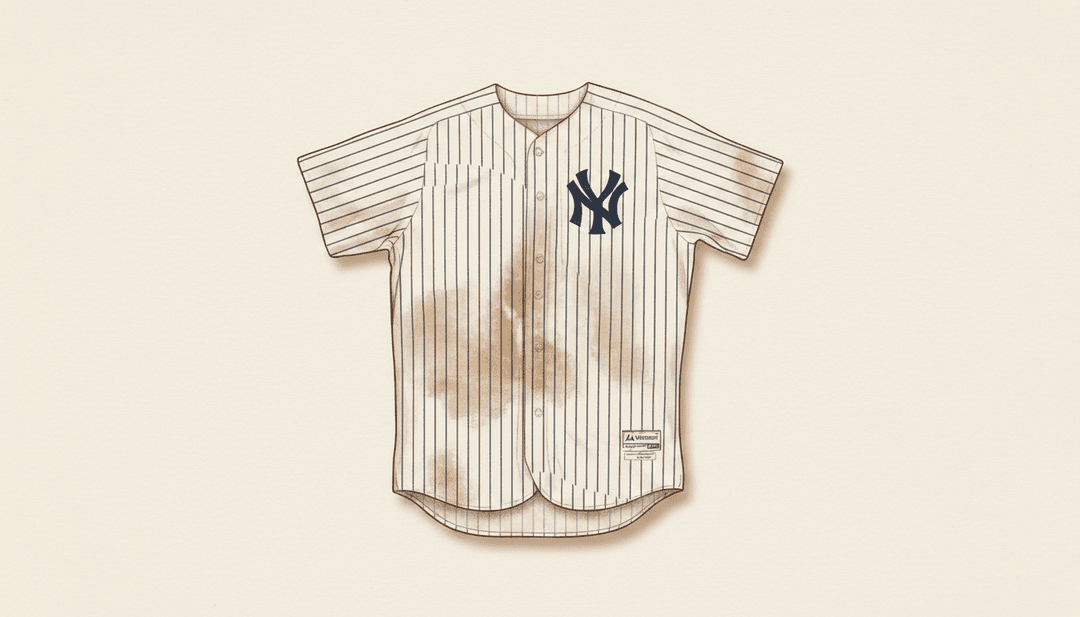
The high-end sports memorabilia market is undergoing a structural evolution, moving away from the sprawling, multi-day catalog sales of the past toward highly curated, fine-art-style marquee events. Sotheby's is pushing this strategy to its logical extreme with its upcoming Summer Sports Classic. Instead of offering hundreds of trading cards and game-worn jerseys to appeal to a broad base of hobbyists, the auction house has assembled an incredibly tight selection. The entire catalog consists of only 8 lots. This extreme curation represents a deliberate gamble by the auction house, placing the entire financial weight of the event on a handful of ultra-premium assets.
By limiting the sale to just 8 lots with estimates, Sotheby's is attempting to create an atmosphere of intense exclusivity. The pricing structure reflects this high-stakes approach. The lowest individual estimate in the entire catalog stands at a substantial $300,000, a threshold that immediately excludes casual collectors and positions every single item as a museum-grade asset. At the top end of the spectrum, the most valuable lot carries an ambitious high estimate of $5,000,000. This massive spread means that the success of the entire evening will likely hinge on the performance of just one or two marquee items, mirroring the dynamics of major contemporary art auctions.
In total, the auction house expects the sale to bring in a significant sum. The aggregate expectations for the evening range from a total low estimate of $7,300,000 to a total high estimate of $11,700,000. For sports collectibles, achieving these figures with such a small catalog is a relatively recent phenomenon. Historically, reaching a multi-million-dollar total required churning through dozens of lots. Now, the market is consolidated at the very top. Collectors are increasingly willing to pay premium prices for items with impeccable provenance, while mid-tier items face a much tougher sell. By focusing exclusively on the top tier, Sotheby's is hoping to capture this concentrated demand.
However, this concentrated strategy comes with significant operational risks. As of now, the board remains entirely quiet. The catalog shows that 0 lots have received bids, and the number of lots sold stands at 0. While it is common for high-end bidding to take place live or in the final moments of an auction, starting from a baseline where zero lots have bids highlights the binary nature of these ultra-curated sales. In a larger auction, a few passes can be easily absorbed by a high volume of successful mid-market sales. In an eight-lot sale, a single major pass can severely damage the overall sell-through rate and prevent the auction from reaching its ambitious total low estimate.
For collectors and market professionals, the outcome of this auction will serve as a crucial barometer for the health of the sports memorabilia market. If these high-value lots find buyers, it will validate the theory that sports collectibles can be treated as blue-chip art assets, capable of holding immense value in a highly concentrated format. It would encourage future consignors to trust major auction houses with their most prized possessions, knowing that a dedicated, low-volume environment can generate the necessary competitive bidding. On the other hand, if the sale struggles to find traction, it may suggest that the market still requires the momentum and variety of larger, more diverse catalogs to draw in active bidders.
The transition of sports memorabilia into the realm of fine art has been rapid. Over the past decade, items that were once kept in binders or displayed in local hobby shops have migrated to the climate-controlled vaults of major financial institutions and the walls of private galleries. This movement has been driven by a new class of wealthy collectors who view game-worn jerseys and historical equipment not just as nostalgic keepsakes, but as alternative tangible assets. The Summer Sports Classic is a direct product of this cultural and financial shift, testing whether the market is ready to support an auction model where quality is prioritized so heavily over quantity.
As the auction date approaches, the eyes of the collecting community will be on these few select lots. The transition from zero bids to final hammer prices will reveal much about the depth of liquidity at the very top of the market. Whether Sotheby's can successfully translate its fine-art auction model to the sports world remains to be seen, but the ambitious estimates and highly selective catalog make it clear that the auction house is fully committed to this high-stakes strategy.